The right shelving can completely change how a space works. Whether you are organising a garage, setting up a workshop, improving a storeroom or trying to make better use of a busy warehouse, good storage should make items easier to access while helping you use your available space more efficiently.
But with so many shelving options available, choosing the right one is not always as simple as finding something that fits against the wall.
The best storage shelves should suit what you need to store, how much weight they need to hold, how often you access those items and how your storage needs may change over time.
So, where do you start?
What Should You Consider Before Choosing Storage Shelves?
Before looking at different shelving systems, start with the space itself.
Measure the area available and consider more than just the width of the wall. Ceiling height, shelf depth, doorways, access points and surrounding work areas can all affect what type of shelving will work best.
Then think about what will actually be stored.
A garage filled with tubs, tools and camping equipment has very different requirements from a warehouse storing cartons, stock and equipment. Likewise, a workshop storing small parts may need a completely different setup from one storing bulky machinery components.
A few important things to consider include:
- Available floor and vertical space
- Size and weight of the items being stored
- How frequently items need to be accessed
- Whether shelf heights need to be adjustable
- Whether your storage requirements are likely to grow
- The environment where the shelving will be installed
Planning these details first makes it much easier to choose a shelving system that will continue to work for you long term.
How Much Weight Does Your Shelving Need to Hold?
Load capacity is one of the most important considerations when choosing shelving.
It can be tempting to choose a storage shelf based mainly on dimensions or price, but the shelving also needs to be suitable for the weight of the items you intend to store.
Think about both your current requirements and what could end up on the shelves in the future. Tools, machinery parts, stock, liquids and boxes can quickly become heavier than expected when several items are stored together.
Always check the manufacturer's specified load capacity and make sure the load is distributed correctly across each level.
For heavier equipment or commercial environments, a purpose-built heavy-duty shelving system may be more appropriate than standard lightweight shelving.
Should You Make Better Use of Vertical Space?
One of the easiest ways to improve storage capacity is to look up.
Garages, workshops, storerooms and warehouses often have valuable vertical space sitting unused while the floor becomes increasingly crowded.
Choosing taller storage shelves allows you to use more of the available height and can help keep floors and work areas clearer.
A simple approach is to keep frequently used items at an easy-to-reach height, heavier items lower down and lighter or less frequently used items on higher levels.
The result is not just more storage capacity. A well-planned vertical system can also make it easier to see where things are and reduce the amount of time spent moving boxes or equipment around to find what you need.
When Is Metal Shelving a Good Choice?
For areas where strength, durability and long-term use are important, metal shelving can be a practical option.
It is particularly well suited to workshops, warehouses, storerooms, offices and garages where shelving may be used regularly or needs to handle more demanding storage requirements.
Unlike temporary storage solutions, a quality metal system can provide a stable structure for everything from tools and spare parts to cartons, equipment and business inventory.
ReadyRack's steel shelving options, for example, include modular systems that can be adjusted or reconfigured as storage requirements change.
That flexibility can be particularly useful for businesses where stock levels, equipment or workflows do not stay the same forever.
Why Does Shelf Depth Matter?
It is easy to focus on height and width and completely forget about depth.
But shelf depth can have a big impact on how practical your shelving is.
If shelves are too shallow, larger boxes and equipment may overhang. If they are unnecessarily deep, smaller items can disappear behind one another and become difficult to access.
Consider the dimensions of the items you store most often and choose a depth that allows them to sit securely while remaining easy to reach.
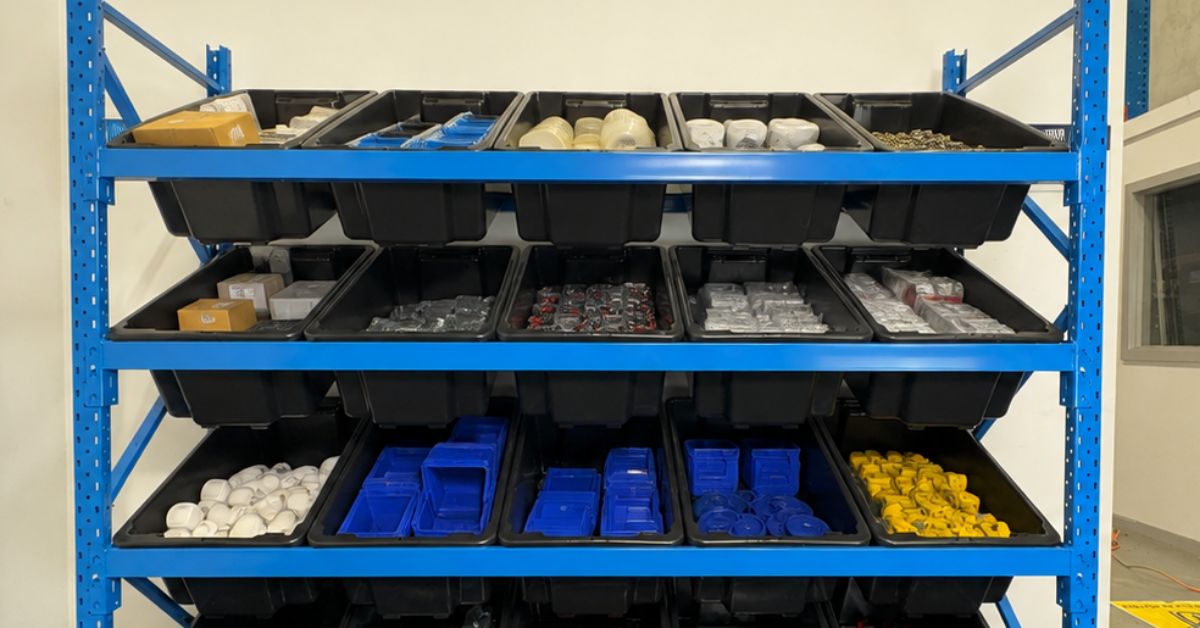
For mixed storage, adjustable shelving can provide more flexibility and allow you to create different shelf heights within the same bay.
Is Adjustable Shelving Worth It?
For many garages, workshops and businesses, yes.
Your storage requirements today may look completely different in a year or two. New tools arrive, stock changes, equipment gets replaced and somehow the collection of boxes in the garage seems to reproduce when nobody is looking.
Adjustable shelving gives you the ability to modify the layout rather than replacing the entire system.
Depending on the shelving system, you may be able to reposition levels, add additional bays or expand the setup as your storage requirements grow.
ReadyRack's storage range includes adjustable options designed for different industrial, commercial and domestic applications.
Which Shelving Is Best for a Garage or Workshop?
Garages and workshops usually benefit from shelving that combines strength with flexibility.
Think about the variety of items commonly stored in these spaces: power tools, storage tubs, automotive equipment, paint tins, spare parts, gardening equipment and sporting gear.
Instead of choosing shelving based only on what you need to store right now, consider whether the system can adapt later.
Longspan shelving can be particularly useful when larger or heavier items need to be stored while remaining easy to access. ReadyRack also offers mobile shelving options where the entire bay can be moved and locked into position, which can be useful in spaces where layouts need to change.
What Shelving Works Best for a Warehouse or Storeroom?
In a commercial environment, storage needs to support the way people actually work.
Consider how stock enters the area, where it is stored, how frequently it is picked and how easily staff need to access it.
For smaller manually handled goods, shelving may provide quick access and straightforward organisation. Larger, heavier or palletised goods may require a different racking system altogether.
The important part is matching the storage system to the inventory rather than trying to make the inventory fit an unsuitable system.
This can help create a more organised layout while making better use of the space available.
Shelving Systems Explained: Workshop Shelving vs Warehouse Shelving
How Can You Choose Shelving That Will Last?
A good shelving system should not only solve today's storage problem.
Look for a system that provides the strength, adjustability and expansion options you may need in the future. Consider the quality of the materials, the stated load ratings and whether additional bays or shelf levels can be added later.
For businesses in particular, choosing a scalable system can make it easier to accommodate changing inventory without redesigning the entire storage area every time requirements change.
How Can ReadyRack Help You Find the Right Shelving?
There is no single shelving system that is right for every space.
A compact garage may simply need a strong shelving bay to get tubs and tools off the floor. A workshop may need adjustable shelving for equipment and parts, while a warehouse could require a combination of shelving and larger racking systems.
ReadyRack offers shelving and storage solutions for garages, workshops, warehouses and commercial environments, with options designed for different loads, dimensions and applications.
Taking a little time to consider what you are storing, how much space you have and how you use that space can make choosing the right system much easier.
Because ultimately, good storage is not about squeezing in another shelf.
It is about making your space work better.
FAQs
How do I know what size shelving I need?
Measure your available width, height and depth, then consider the dimensions of the largest items you plan to store. Remember to allow enough room to safely access the shelving.
Should I choose adjustable shelving?
Adjustable shelving is a good option if you store items of different sizes or expect your storage requirements to change over time.
Can shelving help maximise a small space?
Yes. Using vertical space effectively can increase storage capacity without taking up additional floor area.
What should I check before buying shelving?
Check the overall dimensions, shelf and bay load capacities, materials, adjustability and whether the system can be expanded in the future.